Reverse Mortgage Learning Resources
Retire with peace, not pennies. Check out our reverse mortgage learning resources today!
What is a Reverse Mortgage, and how does it work?
In the most simplistic terms, instead of writing a check to reduce your mortgage principal each month or quarter, you’ll see that the interest accrued has simply been added to the balance owed. But to fully understand a reverse mortgage and how it works, you need a little more detail.
Let’s start with the basics. The federally insured Home Equity Conversion Mortgage was instituted in 1989. FHA and Fannie Mae wanted to give senior homeowners a way to receive additional income by giving them access to the equity in their homes without the burden of making monthly mortgage payments.
It is important to remember that while no monthly principal and interest payment may be required, you are still responsible for paying your property taxes, insurance, any applicable association fees or ground rents, and maintaining the home. Failure to do so will result in foreclosure.
The FHA Reverse Mortgage is federally-insured.
Reverse mortgages allow homeowners age 62 or older to borrow against the equity in their home. Reverse mortgage payments are loan proceeds, not income. Interest is not deductible until you repay all or part of the loan. Ask a tax advisor. They can be used for any purpose that you wish. You can use the available funds to pay off an existing mortgage, freeing up that monthly payment for other uses. Use the available funds to supplement Social Security and pension incomes, for medical expenses, travel, home repairs and ever-increasing property taxes or insurance bills. Reverse mortgages can also be used as an emergency line of credit you can access in times of uncertainty or financial hardship.

The reverse mortgage has many similarities to a traditional home equity loan. Remember, when you are getting a reverse mortgage that you are not giving up title or ownership in your home. You keep title to your home. You must live in the home, pay property taxes and homeowners insurance, and maintain the home. If you do not, the loan can become due and you could lose your home to foreclosure. You’ll receive a statement on a regular basis, and instead of writing a check to reduce your principal each month or quarter, you’ll see that the interest accrued has simply been added to the balance owed. If you ever wish to move or sell the home you’ll be responsible for repaying the amount borrowed, plus any interest and fees charged on the loan out of the sale proceeds. You will receive any remaining equity in your home, just like when you sell a home with a traditional mortgage.
Traditional Mortgage vs. Reverse Mortgage
| Features | Traditional Mortgage | Reverse Mortgage |
|---|---|---|
| Purpose | Borrow to buy a home. | Borrow against home equity without selling the home. |
| Repayment | Monthly repayments are required. | No monthly payments. Repaid when borrower sells, moves, or passes away. |
| Eligibility | Based on credit score, income, and debt-to-income ratio. | Typically homeowners 62+ years, with substantial home equity. |
| Interest | Interest accumulates on the unpaid principal balance. | Interest accrues on the borrowed amount, added to the loan balance over time. |
| Loan Term | Defined term (e.g., 15 or 30 years). | Until borrower's move, sale, or death. |
| Equity Impact | As the loan is paid down, homeowner equity increases. | As the loan balance increases, home equity typically decreases. |
| Risk of Foreclosure | If payments aren't made, risk of foreclosure exists. | Risk if homeowner doesn't pay property taxes, insurance, or maintain the home. |
| Tax Implications | Mortgage interest may be deductible. | Reverse mortgage payments are loan proceeds, not income. Interest is not deductible until you repay all or part of the loan. Ask a tax advisor. |
Frequently Asked Reverse Mortgage Questions
If you have any other Reverse Mortgage Questions, please visit our Blog and look through the many articles, studies and videos that we have available. We are always happy to answer your Reverse Mortgage Questions directly, so feel free to give us a call!
These materials are not from HUD or FHA and were not approved by HUD or a government agency.
Reverse Mortgage Informational Videos
HELOC Challenge
This reverse mortgage informational video dives deep into the world of finance, comparing traditional loans and reverse mortgages. Which one comes out on top for your needs? Let's unravel the mystery together in this enlightening showdown!
Reverse Mortgage Line of Credit
Put together the pieces of a retirement plan. Add the equity of your home to your planning and retirement income. Learn more about how a reverse mortgage can help you plan for retirement.
Reverse Mortgage for Purchase
Learn how a HECM for Purchase works, including the down payment and the ongoing costs of taxes, insurance and maintenance.
The History & Benefits of a Reverse Mortgage
Join us as we journey through the evolution and benefits of a reverse mortgage-a unique financial tool for seniors. Whether you're familiar with the term or hearing about it for the first time, by the end of this video, you'll have an understanding of the transformative impact a reverse mortgage can have on one's golden years. Let's get started!"
Reverse Mortgage Ebooks
Access Reverse Mortgage Ebook
Download, print and read our FREE EBOOK with more information about reverse mortgages, and see how others in your situation are using them to increase their cash flow in retirement. Our eBook is a great first step for exploring the opportunities available through reverse mortgages.
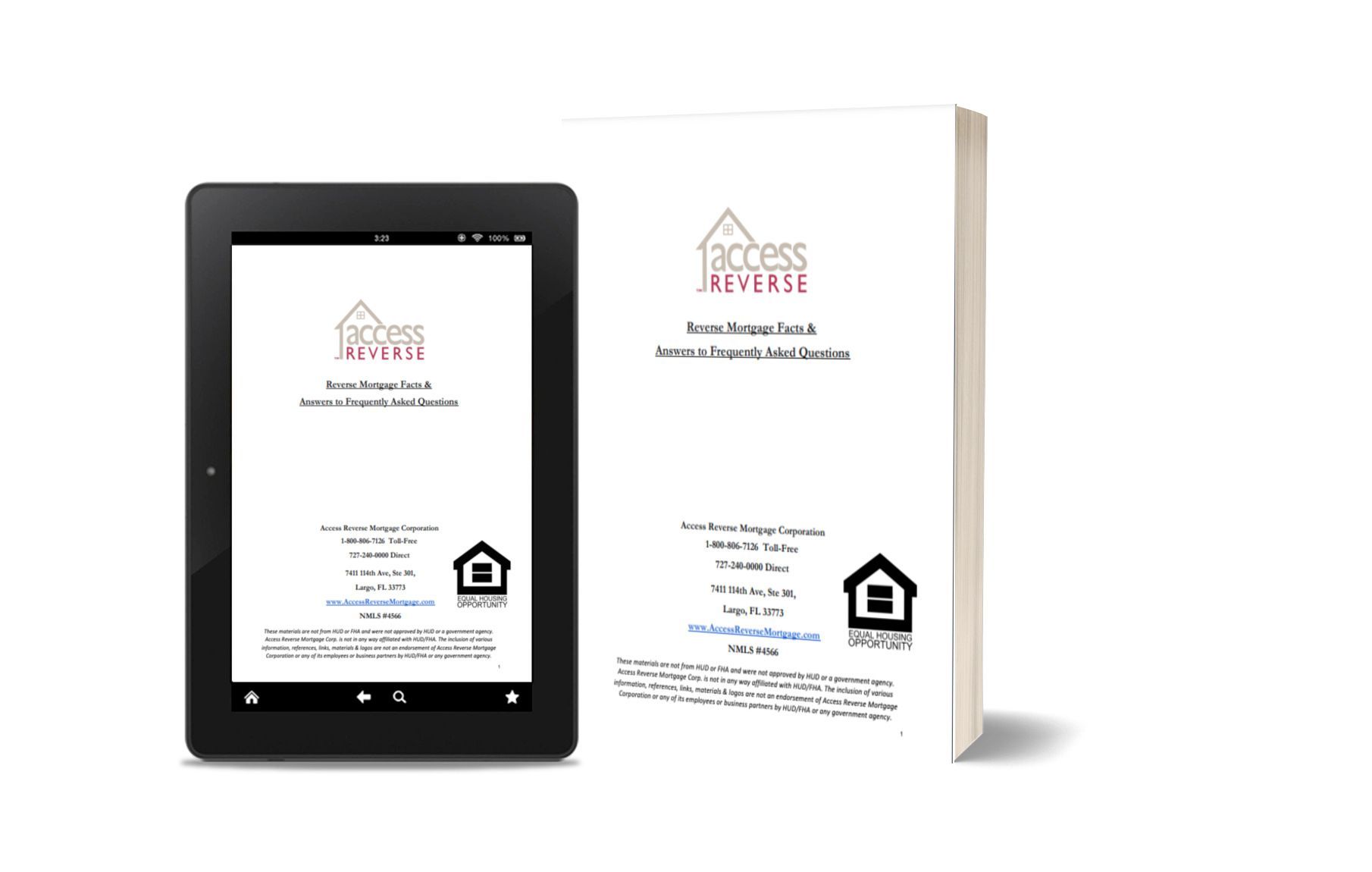
Get The Reverse Mortgage Ebook
Center for Retirement Research at Boston College
The Center for Retirement Research at Boston College has developed an excellent guide to accessing your home equity. This detailed guide includes useful information and graphics that compare the available options, including a comparison of reverse mortgages and more traditional home equity lines of credit. You can download a copy by visiting their website, or request a physical copy be mailed to you right away.
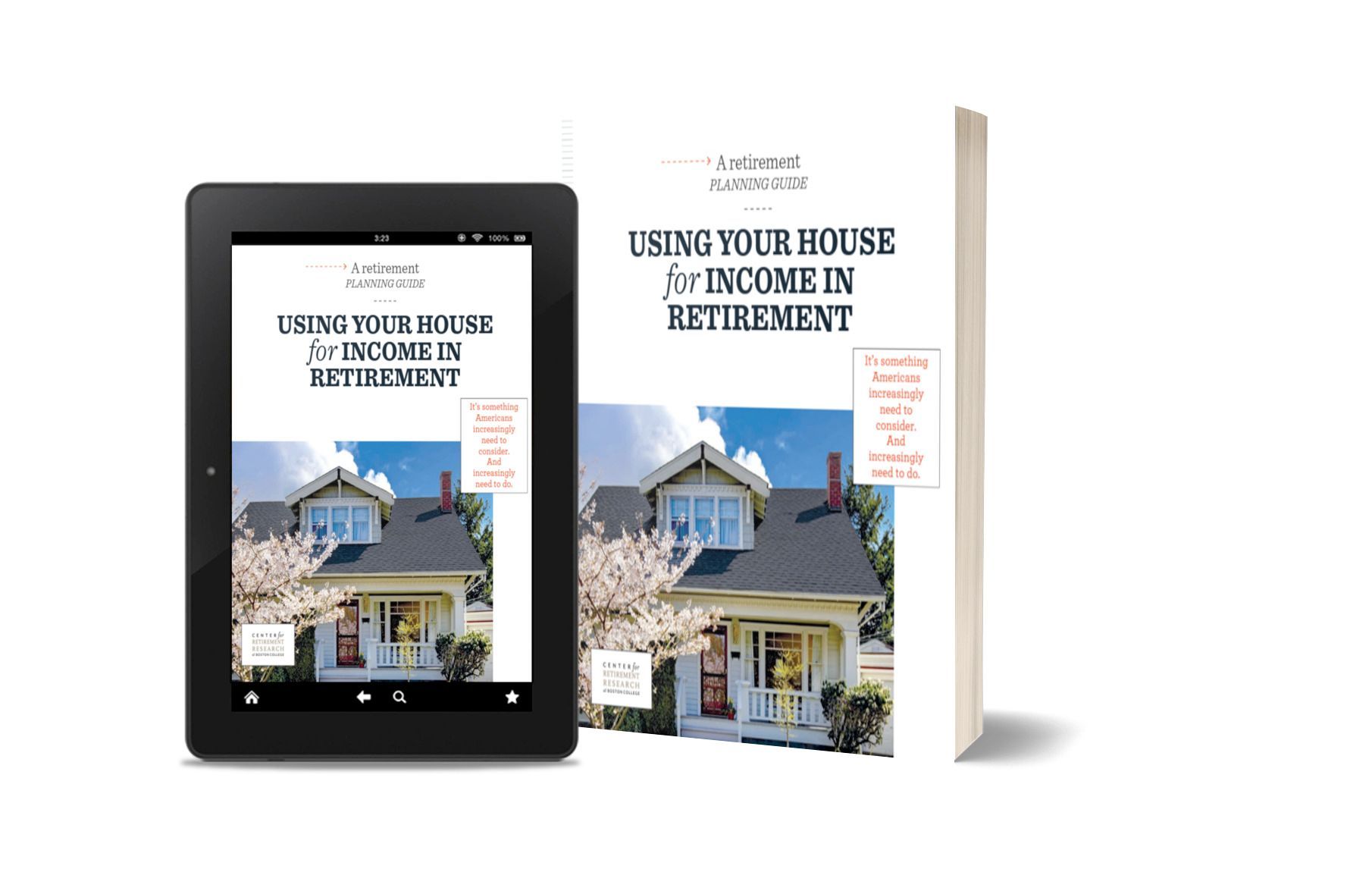
Get Retirement Research Ebook
Reverse Mortgage Independent Studies
Journal of Financial Planning
The well-known Journal of Financial Planning has published several studies and reports recently that discuss the use of reverse mortgages in a variety of situations. One such report is titled Retirement Trends, Current Monetary Policy, and the Reverse Mortgage Market. This report discusses some of the trends for retiree financing, including a rise in the use of reverse mortgages.
Joint Center for Housing Studies of Harvard University
The Joint Center for Housing Studies of Harvard University released a report titled “Housing America’s Older Adults”. This report includes detailed information about housing options for America’s older adults including how reverse mortgages can be used as a financial vehicle for housing after retirement.
These materials are not from HUD or FHA and were not approved by HUD or a government agency.
Discover the Power of Your Equity
Welcome to financial clarity. Our user-friendly mortgage calculator is designed to provide a quick and accurate estimate of how much you may qualify for, giving you a clearer picture of your financial future.

Get Started in Three Simple Steps:
Input Your Details: From property value to outstanding balance, fill in the required fields.
Click 'Calculate': Let our advanced algorithms work their magic.
View Your Results: Gain instant insight into your potential mortgage amount.

Reverse mortgage calculator results are an estimate and not an offer to lend. Calculations are based on available programs offered this week and subject to change. These materials are not from HUD or FHA and were not approved by HUD or a government agency.